Theme: Religion in Life
TIME
|
ACTIVITY
|
EQUIPMENT NEEDED
|
BADGE REQUIRMENTS MET
|
3:45
|
Gathering Activity:
Cupboard Cleanout
|
|
|
4:00
|
Opening Ceremony
- Opening
Prayer: _____________
- Grand Howl
-Attendance:
________________
|
Attendance Book
Stamp and Ink
|
|
4:05
|
GAME: Spin-It
|
Game equipment
|
|
4:15
|
BADGEWORK: Pollution
|
|
WSEA Clean Water/Air #3
|
4:20
|
THEME ACTIVITY: Write
a Poem: Acrostic Poetry
|
|
Developing Talents
|
4:40
|
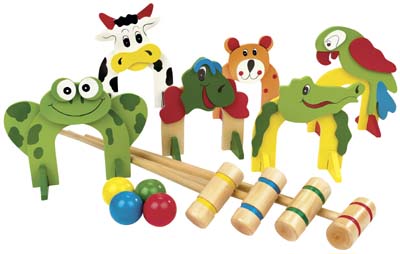
GAME: Animal Croquet
|
Croquet Game pieces
|
|
5:00
|
THEME ACTIVITY: Make
a Thank You Card
|
|
Serving Others #1
|
5:10
|
BADGE WORK: Safety and Hygiene rules for camping
|
|
Camping Badge #2
|
5:15
|
SPIRITUAL FELLOWSHIP
-Spiritual
Thought: ____________
|
Assignment:
|
LLG 4b
|
5:20
|
Closing Ceremony
-Cub Promise
-Closing Prayer
-Badge
worksheets or other information
|
|
|
5:30
|
Dismiss and Go Home
|
TAKE HOME PAPER MACHE PROJECTS
|
|
GATHERING ACTIVITY: CUPBOARD
CLEANOUT
Clean out any unnecessary items
from the Cub Scout cupboard and prepare them for taking home.
GAMES: Spin-It Game
Need: Game Equipment
See who can get the most points in a 10 minute period.
GAMES: Animal Croquet
Need: Croquet pieces
Basic Croquet
Basic croquet is played by tossing a coin to
determine who will begin. The beginning player places the ball midway between
the first wicket and the stake. They hit the ball through the wickets. A point
is scored each time a ball passes through the wickets in the correct order.
Bonus strokes are received each time a player goes through a wicket, hits a
stake or hits another ball.
Hitting another ball allows the
player two strokes. If the player chooses to roquet the ball. Roqueting the
ball is done by placing the players ball against the opponents. The players
foot is then placed on their ball. The mallet is used to strike the ball
causing the opponents ball to roquet away from the playing field.
Any ball that is hit out of
bounce is returned to the playing field by placing it a mallet's length into
the field.
Golf Croquet
Golf Croquet is played on very
short grass. The game is played like normal croquet except for scoring. Only
the first person through each wicket scores a point. Set up ball traps or place
the wickets in different locations on the field to make Golf Croquet more
challenging.
Bicycle Croquet
The playing field for Bicycle
Croquet should be a flat grassy area. The stakes and wickets should be placed
farther apart to allow for easy riding of the bicycles. Each player rides a
bike and uses a mallet to hit the ball through the wickets and across the
field. Scoring is the same as regular croquet. Make the game more interesting
by placing penalties on any rider that puts her foot on the ground during play
or hits the ball when the bicycle is not moving.
Poison
The object of Poison is to be
the first one to make it through the croquet course first and hit the stake.
The first person's ball to do this becomes "poison" to the other
players on the field. The poison ball re-enters play by playing the course
backwards. Any ball that the poison ball touches is eliminated from the game.
Normal croquet rules apply to the rest of the game.
BADGEWORK: Pollution
Materials Needed:
·
Chalkboard and Chalk
Use the worksheet to discuss the different types of soil,
water and air pollution that exist.
How do these forms of pollution affect your health and the
environment?
What can be done to stop or
limit them?
BADGEWORK: Camping Safety and Hygiene
Materials Needed:
·
Information sheets
·
Chalkboard if desired
Discuss the information on the sheet with the pack.
Camping Hygiene and Sanitation
Hygiene is a clinical-sounding
word, but it can have profound consequences on your health and well-being
during a backcountry jaunt.
Some tips for staying healthy
outdoors:
Keep Hands and Fingernails Clean
Much (and probably most)
intestinal illness experienced during or after an extended outdoor adventure is
due to poor hygiene, particularly unwashed hands. Solution:
- ·
Carry a hand sanitizer (available as a gel or as
wipes; always pack out wipes). Use them after bowel movements and before
handling food. Very handy for use when you're on the move or water is not
nearby.
- ·
Soap and water are considered by some experts to
be a more thorough hand-cleansing option because the act physically rubs and
rinses away everything from dirt to unseen microorganisms. But the rubbing
action involved with sanitizers may accomplish the same result.
- ·
Important: Never use soap directly in a water
source.
Keep Soap Far from Lakes and Streams
Soap residue contains nutriments
that can spur algae growth in otherwise pristine water, and algae can spawn
populations of disease-causing microorganisms. Some solutions:
- ·
Bring a lightweight portable sink and carry
bathing water far (at least 200 feet, preferably more) from a water source.
- ·
Sanitizers (gels or wipes) offer an alternative
to soap. (Again, always pack out wipes.)
- ·
If you prefer soap, use a mild, basic or
biodegradable style.
- ·
NEVER lather up directly in a lake or stream.
- ·
Pour gray water on dirt; soap residue can
potentially interfere with lichen growth on rocks. Microorganisms in soil,
meanwhile, effectively combat soap residue.
- ·
Going swimming? Wash off first (as is routinely
required before entering swimming pools), removing sunscreen and repellents
from skin.
- ·
Consider carrying a lightweight, fast-drying,
made-for-the-trail pack towel.
Soap Versus Sanitizers
- ·
Scrubbing with soap and water is your best
choice for cleanliness. When speed and convenience are vital, sanitizers offer
a handy option.
- ·
The mechanical action of scrubbing with soap and
water, including rinsing, flushes material off your skin.
- ·
Sanitizers (disinfectants) kill microorganisms
on skin, though they don't necessarily rinse them off skin. Their effectiveness
as a disinfectant may be tied to the quantity used or a length of contact time.
Follow instructions on individual products.
- ·
As stated previously, dispose of soapy water on
soil or lichen-free rock far from any lake, river or stream, at least 200 feet
away, preferably more.
Evaluate Water Sources
Any adventurer should always be
equipped with a treatment method for any situation where water is viewed with
suspicion. Some danger signs:
- ·
Water (particularly lower-elevation water) near
meadows or pastures where animals have grazed.
- ·
Evidence of pack animal traffic or other
domesticated animal activity.
- ·
Signs of sloppy human behavior or a prolonged
human visit.
- ·
Dispose of Human Waste in Accordance with Local
Guidelines
It's not a popular chore, but
after one run-through most people find that it's a manageable task. Here's the
typical process:
- ·
Move 200 feet (at least) from a trail, campsite
or water source.
- ·
Find a patch of organic soil (darker soil where
plants and trees flourish); use a stick, rock or lightweight plastic trowel to
dig a hole 4 to 6 inches wide and 6 to 8 inches deep.
- ·
Pack out toilet paper in a sealable plastic bag
if required. Even if it's not required, it's still the best practice for
lowering your impact on the land.
- ·
Burning used toilet paper was once a standard
practice. Many land managers discourage (or disallow) the burning of TP due to
wildfire hazards.
- ·
Cover the feces with dirt and refill the hole.
Place a rock or large branches atop the space to discourage critters from
digging it up.
- ·
It is not appropriate to urinate into a stream,
lake or landlocked body of water.
Maintain a Clean Camp
·
Ideally, a campsite should be a previously
impacted area with the following attributes:
- ·
The sleeping surface should be on mineral
(inorganic) soil 200 feet (or more) from a water source.
- ·
Human waste and wastewater should be deposited
at least 200 feet from the campsite (preferably in different locations) and
even farther from the water source.
THEME ACTIVITY: Writing Poetry
Materials Needed:
·
Loose leaf paper
·
Pencils and erasers
1.
Model the format of acrostic poems with your
students. Work together to write a collective acrostic poem on the chalkboard.
2.
Give your students a dad-related word list so
that they can write their own acrostic poem. Consider: love, hero, sports, family, special, admire, gratitude, and happy.
Discuss the meaning of these words as needed and the importance of expressing
appreciation to our fathers for Fathers Day.
3.
Give Cubs time to write their acrostic poems.
Circulate and offer guidance as needed.
4.
If you have time, allow the students to
illustrate their poems.
5.
Suggest that your students give their acrostic
poems to family members as Fathers Day gifts.
Sample Fathers Day Acrostic Poem:
F - Forever cheering me on
A - Always guiding me to greatness
T - Truly one of a kind
H - Happy to be your son
E - Each day with you is special,
daddy
R - Really love you with all my
heart
THEME ACTIVITY: Thank You Cards
Materials Needed:
·
Wording samples to help boys visualize what they
are trying to do
Allow the boys
to write their own thank you card to their dads. Be ready to write words on the
board to help with spelling as needed.
Dear Dad,
What can I say? You're the man! I've always
looked up to you and tried to live by your example. You've taught me everything
I know, and I'm a better person because of it. Thank you for being such a great
role model. Happy Father's Day!
Dear Dad,
Whenever we spend time together, I feel
great joy. You have always been such an incredible father and teacher. You
understand me like no one else. On this Father's Day I want you to know just
how much I love and appreciate you!
 Badge-work for
October
Badge-work for
October